
One of the most common things we run into at Upside is someone turning down a shelter even though they’ve never actually been in one. On the surface, it looks irrational. But what’s happening underneath is a kind of distorted thinking: “If I go to a shelter, I’ll be unsafe,” or “That means I’ve failed.”
That’s what cognitive distortion looks like in real life.
These aren’t bad attitudes or stubborn people. This is how the brain protects itself when it’s been through trauma or instability. And it doesn’t just show up in decisions about shelter. It’s present in everything from how someone looks at their budget, to how they engage with the world around them.
Cognitive distortion refers to inaccurate or unhelpful thinking patterns. It might sound abstract, but it’s very real. It can shape what someone believes they’re capable of, what’s worth trying for, and whether they’ll even take the first step.
Here’s how it shows up:
We don’t dismiss these beliefs. We work with them. Because often, those thoughts are fear in disguise.
Our care guides are trained to listen for these patterns, not to judge them. When someone keeps telling us they’ll only move into a four-bedroom house with a garage, or keeps rejecting listings that fit their budget, we don’t just keep sending them options. We stop and ask: What’s going on under the surface?
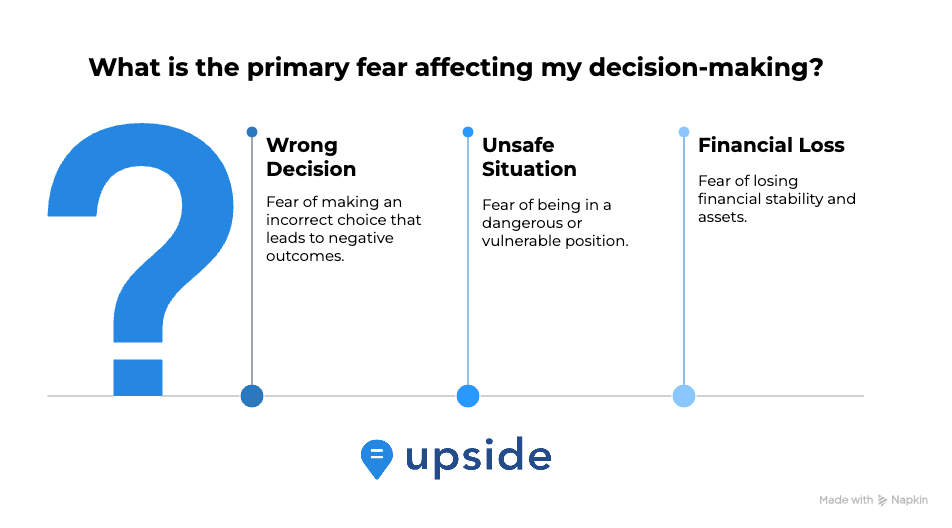
Often, it’s fear:
And when fear is driving, it’s really hard to move forward. So instead of trying to push past it, we help members slow down and reframe it. Not by saying “you’re wrong” but by walking through the thinking with them.
These distortions often don’t start with housing. They show up in every area of life:
The key is recognizing the pattern. When someone keeps saying “I can’t,” “it won’t,” or “this is just how it is,” we know there’s a deeper belief getting in the way.
But here’s the good news: the best way to shift that thinking is by helping someone take just one action. Something small, something safe. A tour. A call. A completed application. When it goes better than they expected, it creates a new data point. And we keep building from there.
This is where a lot of programs struggle. Someone doesn’t engage, so the case gets closed. But if no one’s asking why there’s no movement, we’re missing the point.
We don’t give up because someone didn’t respond. We ask: are they stuck in a distortion loop? Is their negative self-talk shutting down the process before it starts?
And we don’t just do things for people either. That’s not empowerment that’s enabling. If we fill out the housing app, the SNAP app, the benefits paperwork… the person learns they can’t do it themselves. They’re stuck waiting for someone to save them again next time.
That’s not how people grow. We walk beside them, not in front of them.
When someone takes a risk submits the application, goes to the tour and it works out, something changes. They start to trust that maybe things can be different. That maybe their old thinking wasn’t always right.
And with every step they take, they gain confidence. That confidence opens doors in other areas of life, too. One small win in housing often leads to movement in health, employment, and social connection.
It’s not just about the unit. It’s about what they start to believe about themselves.
The hard truth is that sometimes the system reinforces the same distorted thinking. Programs do too much for people. Agencies close cases too fast. Workers burn out trying to fix something for someone who hasn’t been taught how to fix it themselves.
At Upside, we’ve built a different kind of model. Our care guides have autonomy, support, and the freedom to walk with members through hard, messy, nonlinear progress. We know it’s okay if something doesn’t work right away. We try again.
That mindset is contagious. When staff are empowered, they empower others.
Housing is the lens. Cognitive distortion is the barrier. And supportive, patient reframing is the path forward.
If we want to see better housing outcomes, we can’t just talk logistics. We have to talk about what people believe is possible and what’s getting in their way.
Because the moment someone starts to see that they’re not stuck? That’s the moment everything can change.
Upside Corporate Headquarters
200 E Las Olas Blvd 14th Floor
Fort Lauderdale, FL 33301