
Everyone deserves a safe, stable place to call home.
This is why Upside exists. We partner with health plans and employers to solve housing problems to completion, because a single setback can push someone into crisis.
Housing is simply part of healthcare. A member can’t manage diabetes from a car. A discharge plan falls apart when there’s no safe address to discharge to. An employee facing eviction isn’t thinking about work.
Today, most housing help sits outside the system: a phone number, a resource list, a referral that goes nowhere. We’re working toward the day when a housing need gets the same response as any other health need. Someone owns it, and it gets solved.
A familiar problem, with no real infrastructure behind it.
Upside began after our founder watched a family member’s housing become unsafe — not because of medical need, but because the environment no longer fit her life. The challenge wasn’t clinical. It was practical, local, and hard to navigate.
That experience revealed something bigger: housing instability was widespread, deeply tied to outcomes, and addressed through fragmented efforts that rarely carried cases to resolution.
There was no infrastructure designed to handle housing the way complex needs are handled elsewhere. So we built it.
We take ownership of housing — end to end.
Upside is built to do the housing work most organizations can’t staff for. We accept referrals or outreach, assess housing needs, execute stabilization or transitions, and stay involved until the issue is resolved. That includes navigating local constraints, coordinating with community partners, managing logistics, and documenting outcomes plans can stand behind.
We don’t stop at identification or referral. We carry housing cases to resolution.
Leadership Team

Ben Benazzi
VP of Product
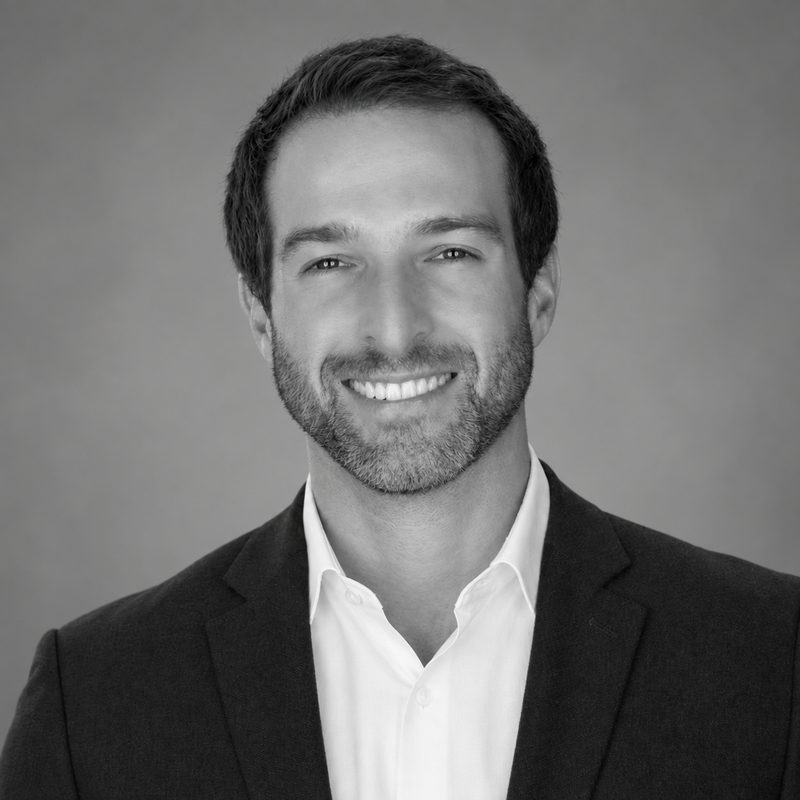
Jake is a seasoned entrepreneur focused on building mission-driven companies that solve complex social challenges. As CEO of Upside, he leads strategy and growth to deliver scalable housing solutions that improve health outcomes and reduce healthcare costs. His work bridges innovation, housing, and healthcare to drive measurable impact for payers and their members.
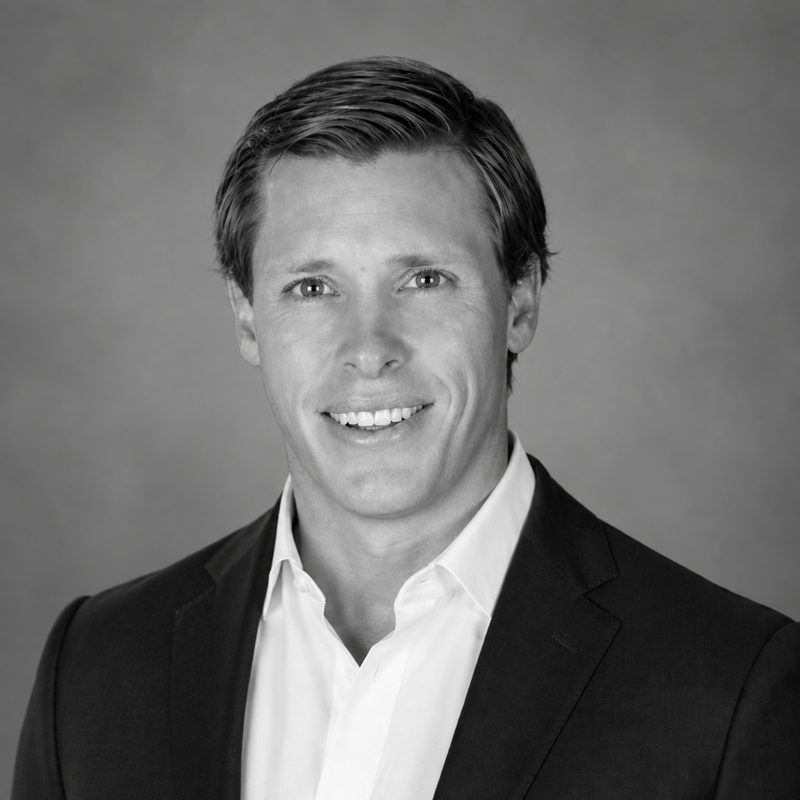
Peter drives operations at Upside, building the systems and processes that enable scale, efficiency, and high-quality service delivery. He leads with a focus on team development, operational excellence, and a culture rooted in trust and continuous improvement. As a co-founder, he is passionate about creating housing solutions that advance health equity nationwide.

Todd leads technology and platform strategy at Upside, ensuring the infrastructure, data, and systems behind the product can scale to meet the complexity of housing at a national level. He brings deep experience building high-performing teams and delivering user-centered solutions that operate reliably in real-world environments.
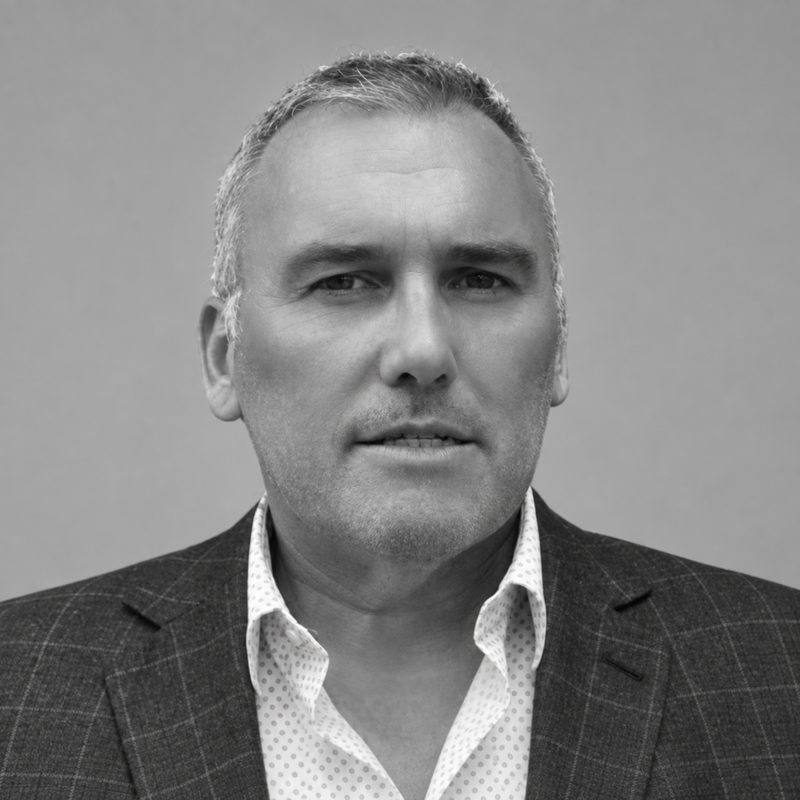
Brian leads technology strategy and innovation at Upside, bringing more than two decades of experience building and scaling healthcare technology platforms. He previously served as CTO of MDLIVE, which he helped grow into a market-leading telehealth platform prior to its acquisition by Cigna, and founded Medappz, acquired by Greenway Health. His expertise spans AI-driven solutions, interoperability, and value-based care infrastructure.
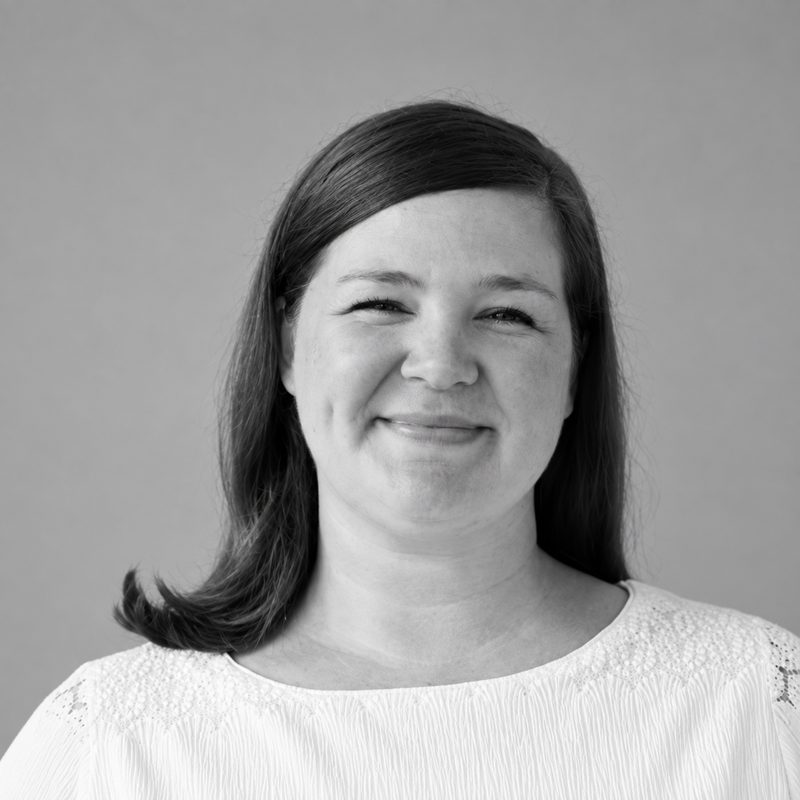
Kristin leads people strategy at Upside, building the hiring, development, and culture systems that let the team scale without diluting the quality of the work. She brings more than a decade of experience building people functions at fast-growing technology companies, including NYSHEX, Botify, and Wunderkind. At Upside, she’s focused on recruiting and keeping the Care Guides and operations staff members rely on, because the program is only as strong as the people delivering it.
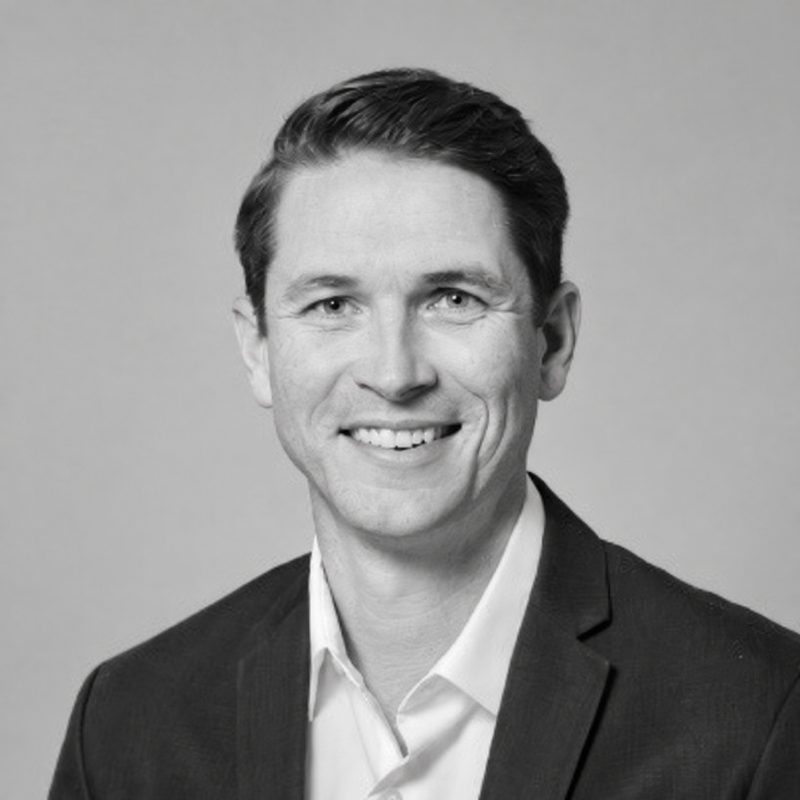
Patrick leads enterprise sales and go-to-market at Upside, bringing 18 years of B2B experience and a strong record of driving revenue and building client partnerships. He builds the processes, training, and coaching that let a sales team perform — grounded in trust, accountability, and getting better every day. His personal connection to housing challenges fuels his passion for delivering solutions that improve lives, and he leads with a focus on growth, innovation, and long-term impact.
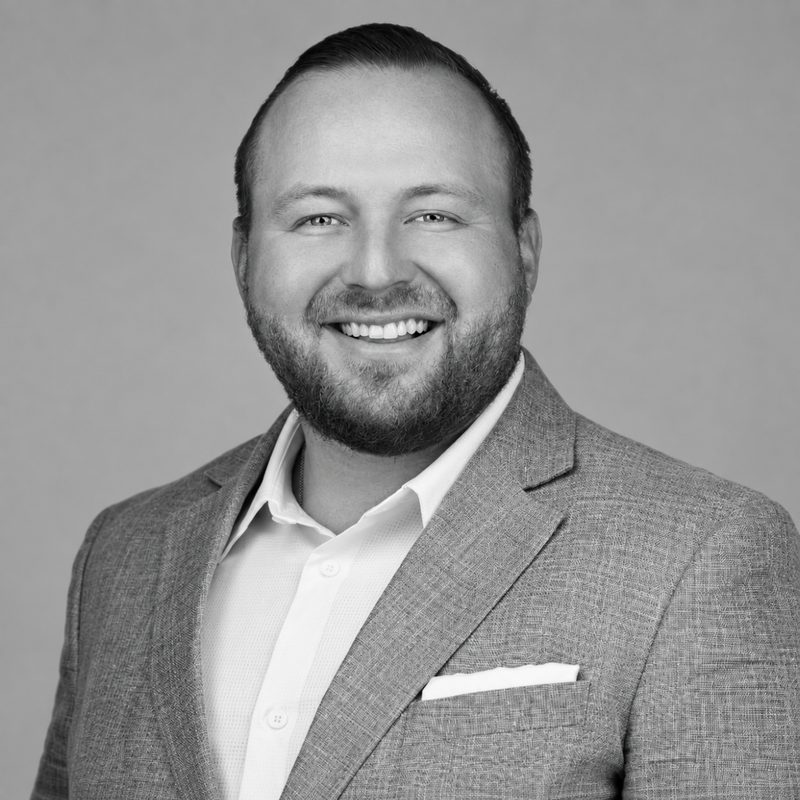
Austin leads operations across the full member journey at Upside — from referral and engagement through housing stabilization and ongoing support — making sure the program delivers coordinated, high-quality experiences at scale. He was a founding team member at Papa, where he built client operations for more than 100 national health plans, and later served as COO of Circadian Health, scaling a virtual-first specialty platform to national payer presence. At Upside, he translates strategy into execution, building the systems that produce consistent outcomes for health plans and the members they serve.

Alexandra leads client success at Upside, owning the health plan relationship from implementation through renewal and making sure partners see the program working in their own data. She brings more than a decade of experience building and leading customer success teams across healthcare technology, including Unite Us and Carrot Health. At Upside, she’s focused on turning reporting into something plans can act on and on keeping the partnership honest about what’s working and what isn’t.
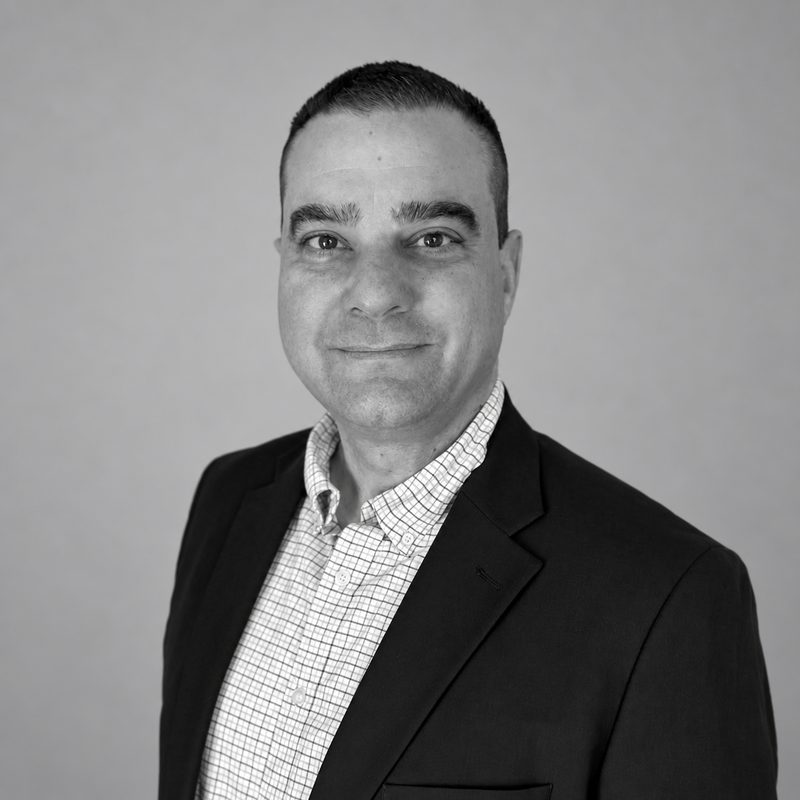
Brad owns Upside’s employer market at Upside, accountable for revenue growth across employers, multi-employers, and unions. He spent more than a decade on the buy side and the broker side of employee benefits — leading a regional benefits practice at Lockton, advising large self-insured employers at Mercer, and building national broker and consultant distribution at GRAIL. At Upside, he’s translating housing stability from a health plan program into a workforce benefit that CHROs and CFOs can measure in retention, productivity, and medical spend.
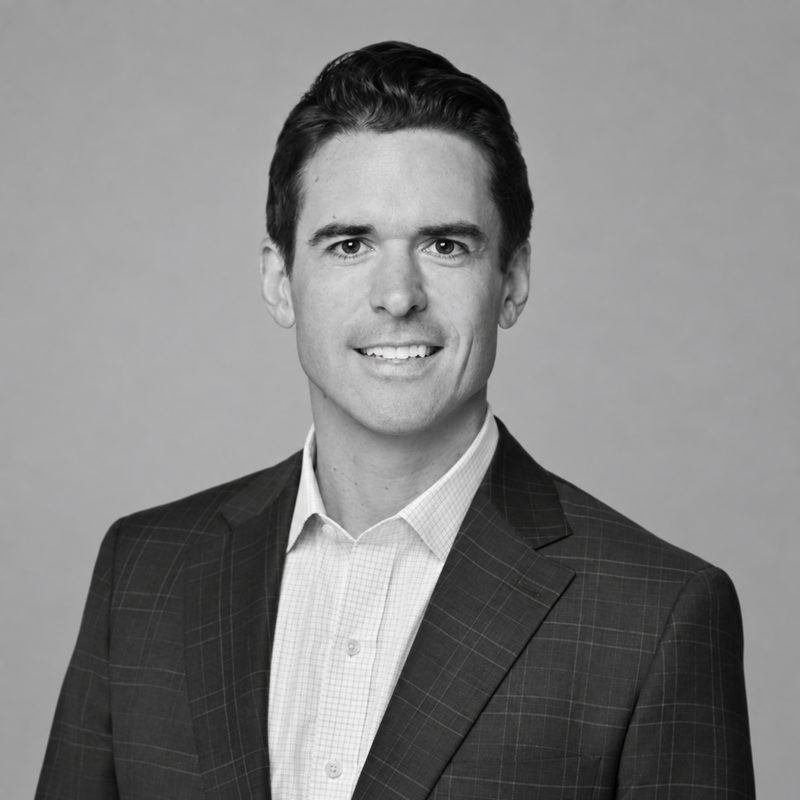
Ryan leads Upside’s health plan partnerships, forging strategic collaborations that help health plans address housing as a critical driver of health. Drawing on his background as a licensed attorney and years of experience building innovative partnerships across healthcare, he helps organizations navigate complexity, align incentives, and ensure more people have the stability of a home—the foundation upon which better health is built.
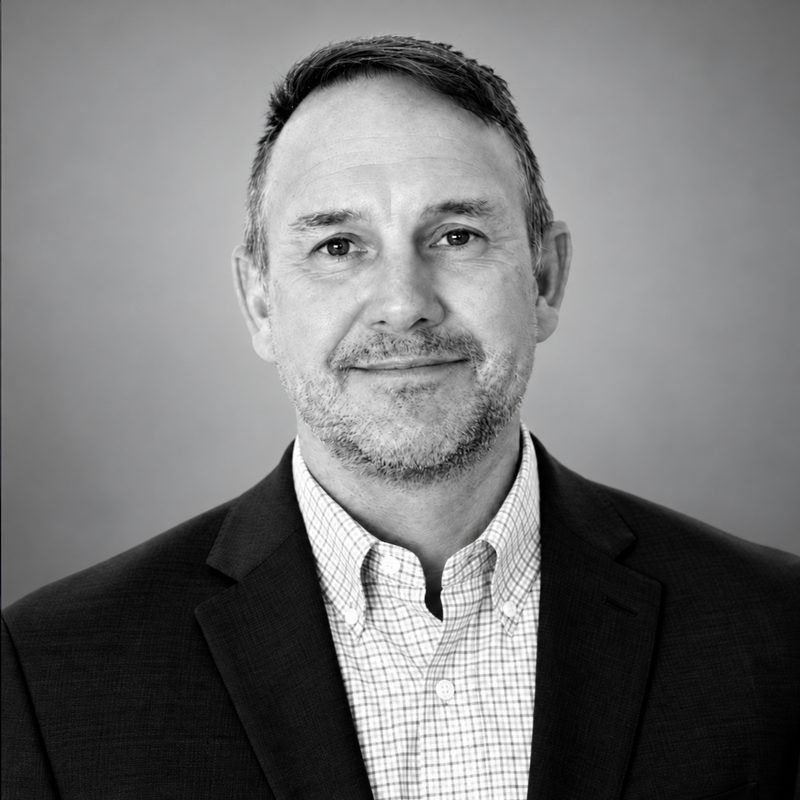
Christian leads new health plan partnerships at Upside, bringing more than 15 years of experience selling technology-enabled solutions across Medicare Advantage, Medicaid, Exchange/ACA, and the Federal Employee Program. He has built his career alongside the Quality, Risk Adjustment, Population Health, and Care Management leaders inside health plans, most recently as Chief Growth Officer at DUOS and Head of Payer Strategy at Get Well, with earlier roles at mPulse Mobile, NovuHealth, LexisNexis, and Capital One. At Upside, he’s showing plans how housing stability moves the quality, risk, and cost-of-care numbers they’re accountable for.
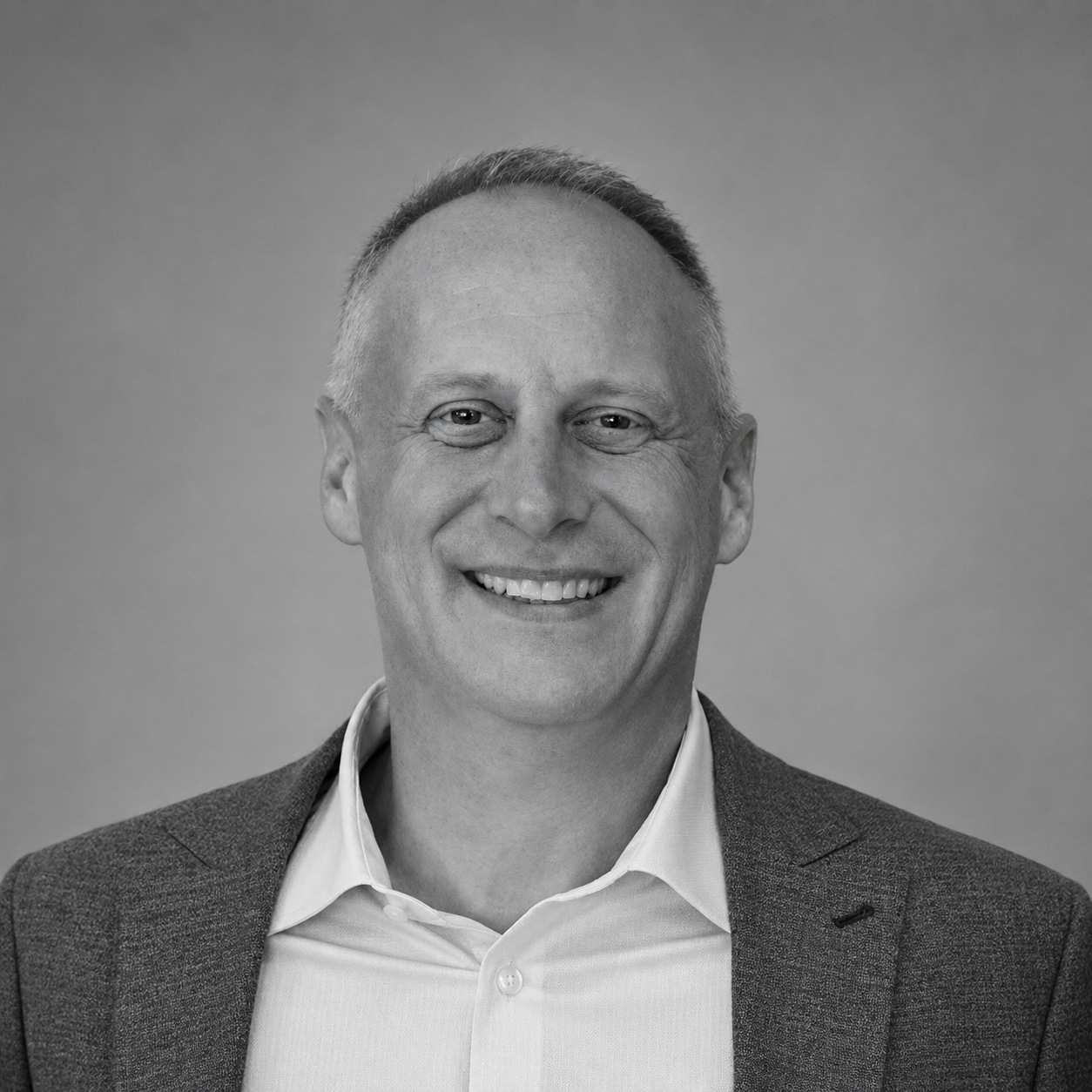
Scott leads payer sales at Upside, building new partnerships with Medicaid, Medicare Advantage, and D-SNP plans. He has spent more than 15 years selling health IT to health plans, health systems, and self-insured employers. He helped launch some of the country’s earliest health information exchanges, joined Harmony Healthcare IT as its seventh employee and became a Partner, and later led sales at Catapult Health and Moxe Health. At Upside, he’s showing health plans how to fix the housing problems that drive avoidable ER visits and inpatient stays, with results they can track in their own data.
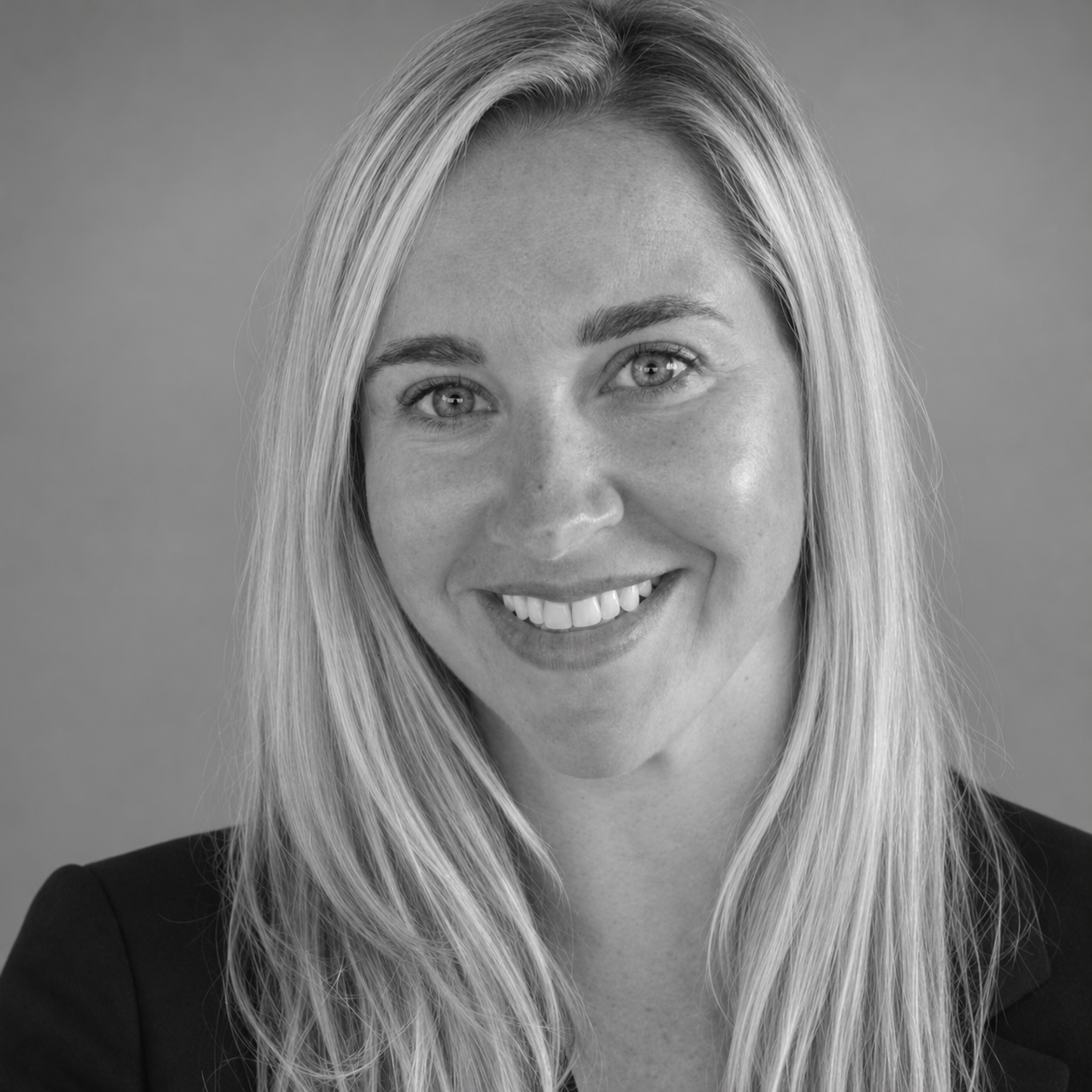
Kate leads payer sales at Upside, helping Medicaid and Medicare Advantage plans build housing stability programs for the members who need them most. A licensed social worker and certified case manager, she began her career in community health, including more than five years as a Social Care Manager at Mass General Brigham Health Plan, before moving into growth roles at CenterWell (a Humana company), EatWell, and WebMD Ignite. At Upside, she brings a care manager’s understanding of the work to every health plan conversation: what a plan’s care team faces every day, and what it takes to get a member housed.
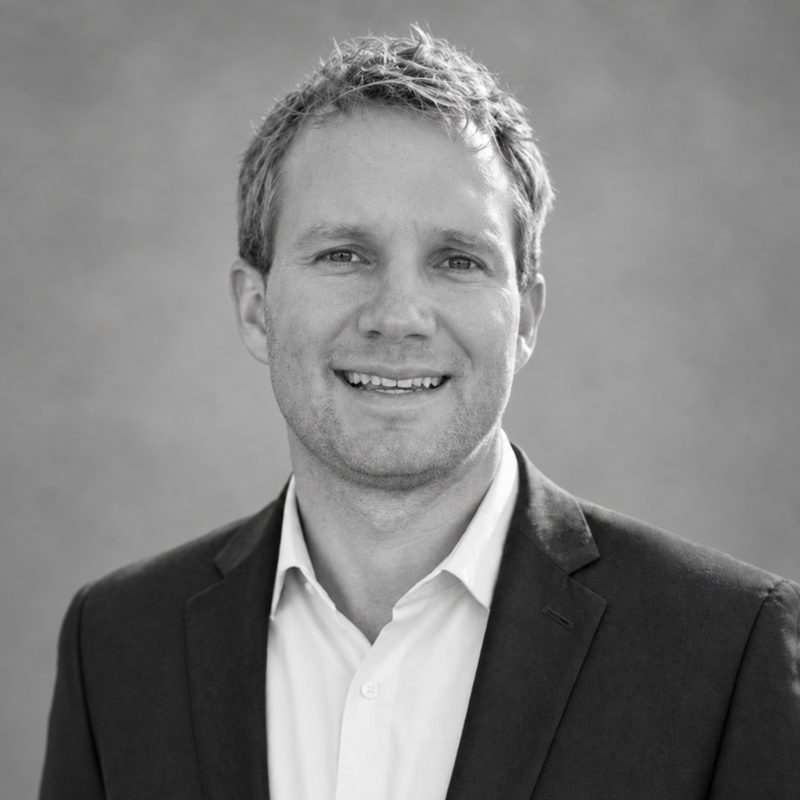
Spencer leads marketing at Upside, positioning the company as a trusted partner for health plans tackling housing instability. He joined as the first marketing hire in 2021 and has built the function through every stage of the company’s shift from a direct-to-consumer product to a national program serving Medicaid, Medicare Advantage, and commercial plans. His work bridges strategy and storytelling — the business case for payers, and the family reasons stability matters in the first place.

Megan leads partner implementations at Upside, owning the handoff from signed contract through launch and steady-state delivery. She brings deep experience launching and optimizing supplemental benefit programs for health plans across Medicare Advantage, Medicaid, D-SNP, and self-funded employer populations, including four years building implementation and enterprise operations at Peerfit. At Upside, she sets the contract terms, KPIs, and operating standards a partnership runs on — known for clear communication and for getting things done early and done well.
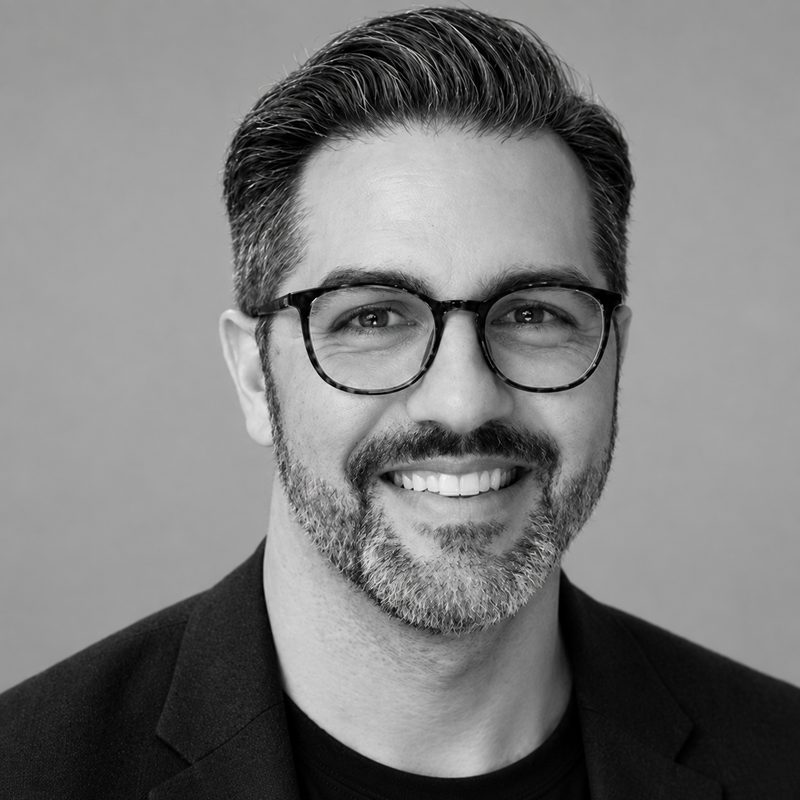
Chris runs business operations at Upside, building the reporting, forecasting, and internal systems that keep a fast-growing program measurable and accountable. He has spent his career operationalizing growth at digital health companies serving Medicare, Medicaid, and employer populations — leading revenue operations and strategy at Tivity Health, client operations at Papa, and operations as Chief of Staff at Peerfit. At Upside, he connects what the go-to-market team promises with what operations can deliver, and makes sure both show up in the numbers.

Dave leads partner account performance for Upside’s health plan customers, owning the operating relationship with each plan from reporting and business reviews through issue resolution and program expansion. He spent nearly 20 years on both sides of the health plan relationship — a decade inside Humana, where he directed a 60-person Dual Eligible outreach operation and built the company’s national medical-record retrieval model for Medicare risk adjustment, then seven years at Tivity Health supporting more than 40 Medicare Advantage and commercial plan partnerships across an $80 million portfolio. He does his best work in the messy middle: finding the real friction in a partnership, pulling the right people together, and turning it into a plan someone can actually execute.
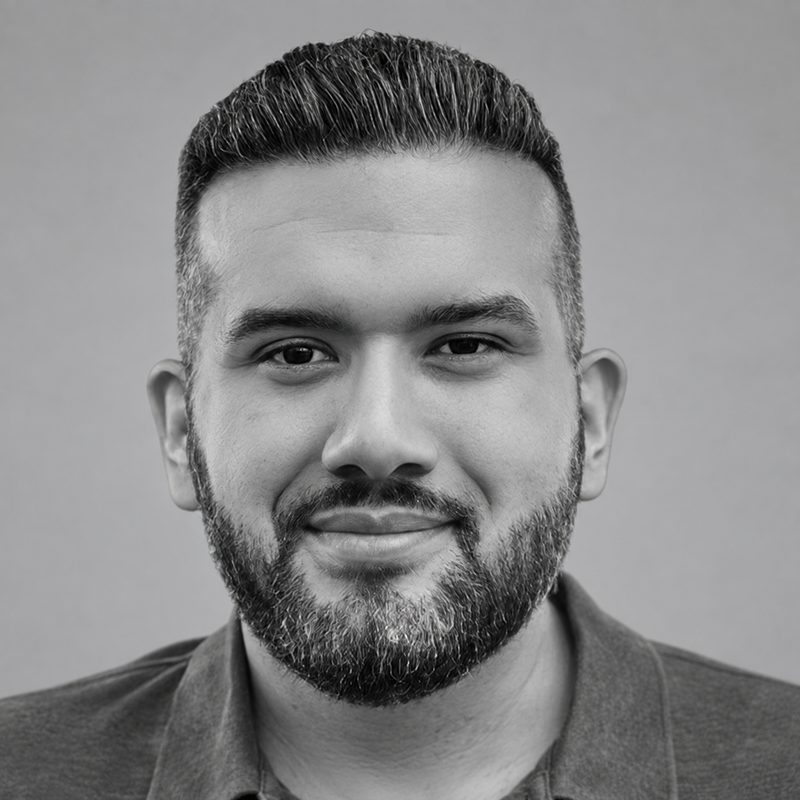
Mark works directly with Upside’s health plan partners on program performance — the day-to-day relationship with each plan’s care management and housing teams, referral volume and reporting, issue resolution, and the path from pilot to expanded program. He has spent his career where healthcare, technology, and operations meet, with earlier work in fintech and virtual care. Most recently he was Head of Operations at an early-stage healthcare AI company, part of the founding team building an AI-enabled telehealth platform for chronic pain management and running operations across product, compliance, marketing, and growth. He brings that build-it-from-scratch instinct to a function that has to feel the same for every plan Upside works with — outcomes visible, reporting clear, and nothing left for a partner to chase.
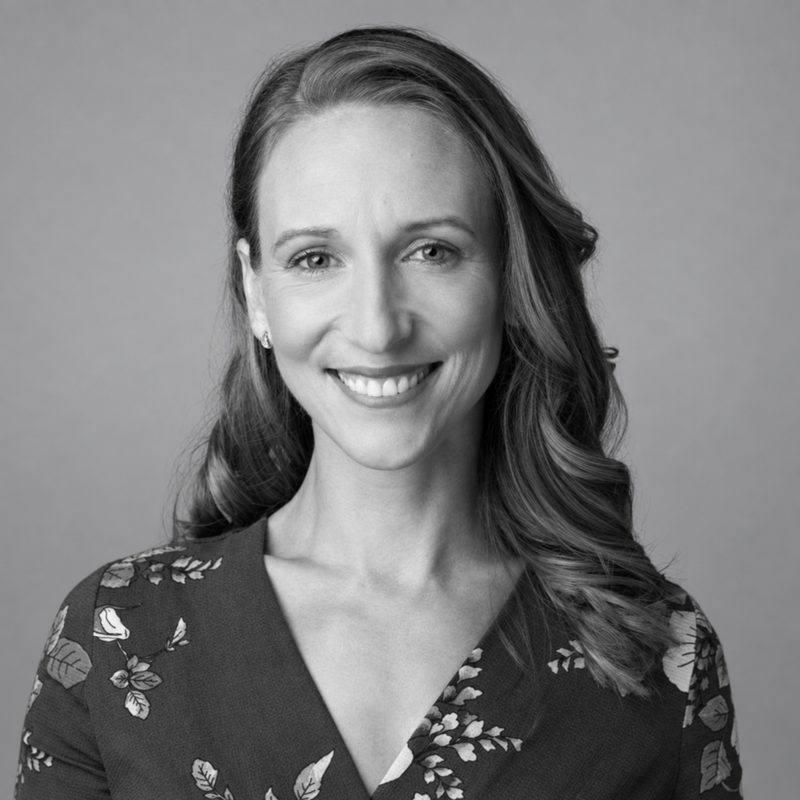
Eliza leads health plan program launches at Upside and owns the reporting behind them — the referral pathways, data exchange, and market readiness that get a program live, and the insights that show partners what it produced once it is. She came to the work through account leadership at SoHookd, a health and wellness rewards platform, and through years of direct care: she is a certified harp therapist and end-of-life doula with Empath Health, and served as Artist in Residence in the Arts in Medicine department at Moffitt Cancer Center. That combination shapes how she runs an implementation — fast enough to reach members quickly, and close enough to the work to know what the numbers are actually describing. She holds a degree in environmental science and sustainable agriculture from Warren Wilson College.
Common Questions
What is Upside, exactly?
Think of us as your housing department — one you don’t have to hire, train, or staff. Most plans have one or two people handling every housing case that comes in. We bring a full team of Care Guides, plus a network of 33,000+ communities across the United States. The network gets you options. The team gets members into them.
We already have housing resources in our market. What are we paying for?
Try asking your team three questions: How many members did we help find housing last year? How many housing staff do we have per thousand members? Did everyone who needed help get it? Most plans can’t answer the first, wince at the second, and know the answer to the third. The resources exist. The capacity to work them doesn’t.
How is this different from a referral list?
A referral list is a phone book. We’re the person who makes the calls. Handing someone a list of housing resources assumes they have the time, the paperwork, the phone minutes, and the calm to work it themselves — while they’re being evicted. Most don’t. So the list goes in a drawer and nobody finds out. We stay on the case until there are keys.
What changes after someone is housed?
This is where it gets good, and where the math gets hard. The ER visits stop — that one shows up in claims. But so does everything a stable address quietly makes possible. You keep a PCP appointment when you know where you’ll be living next month. You eat better with a refrigerator and a grocery store nearby. Your kids stay in one school. We can measure the first. We’d be lying if we claimed credit for all the rest, but it’s real, and members tell us about it.
What's the ROI?
Depends entirely on the population. Members facing eviction or discharging with nowhere to go pay back fastest — the avoided ER visit or readmission lands in the same claims window as the intervention. Longer-term, higher-acuity cases build slower. Tell us your population mix and we’ll model it honestly, then sequence the rollout to start where the return shows up first.
Board of Directors
Jake Rothstein
Board Member | South Florida
Peter Badgley
Board Member | South Florida
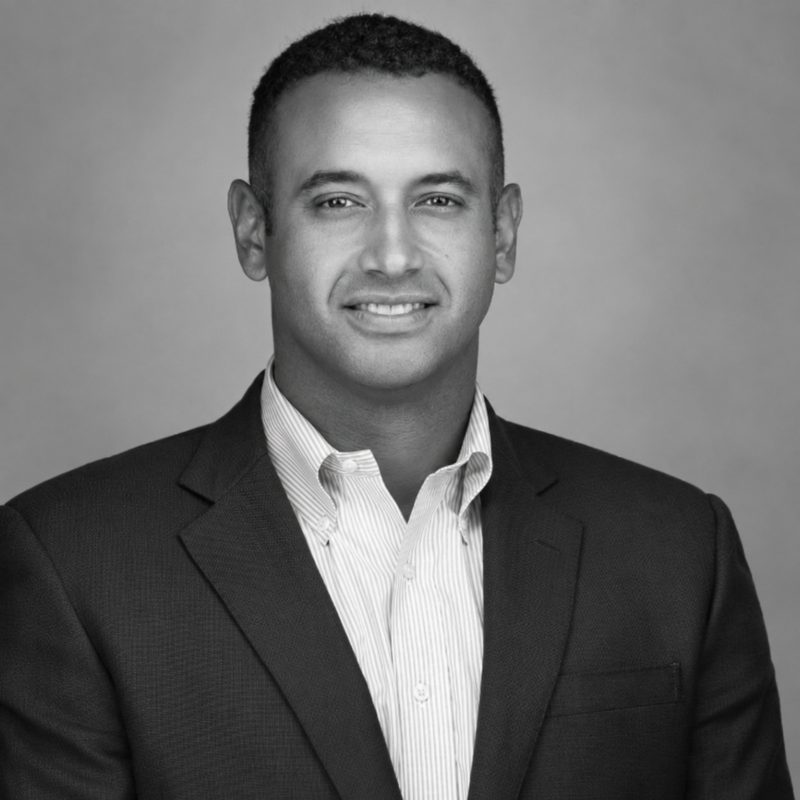
Dan invests in healthcare technology at Flare Capital Partners, where he has led investments in and serves on the boards of Somatus, Positive Development, Oui Therapeutics, and others across value-based care. He practiced internal medicine at Massachusetts General Hospital and taught at Harvard Medical School for nearly a decade, then led population health analytics and value-based purchasing as a Medical Director at Harvard Pilgrim Health Care — giving him a clinician’s read on member need and a payer’s read on what plans will actually buy. He has also founded and run two health IT companies and advised on health policy at the state level in Massachusetts. Dan holds an M.D. from Morehouse School of Medicine and an M.B.A. from Harvard Business School. At Upside, he brings the payer and value-based care lens to program design and growth strategy.
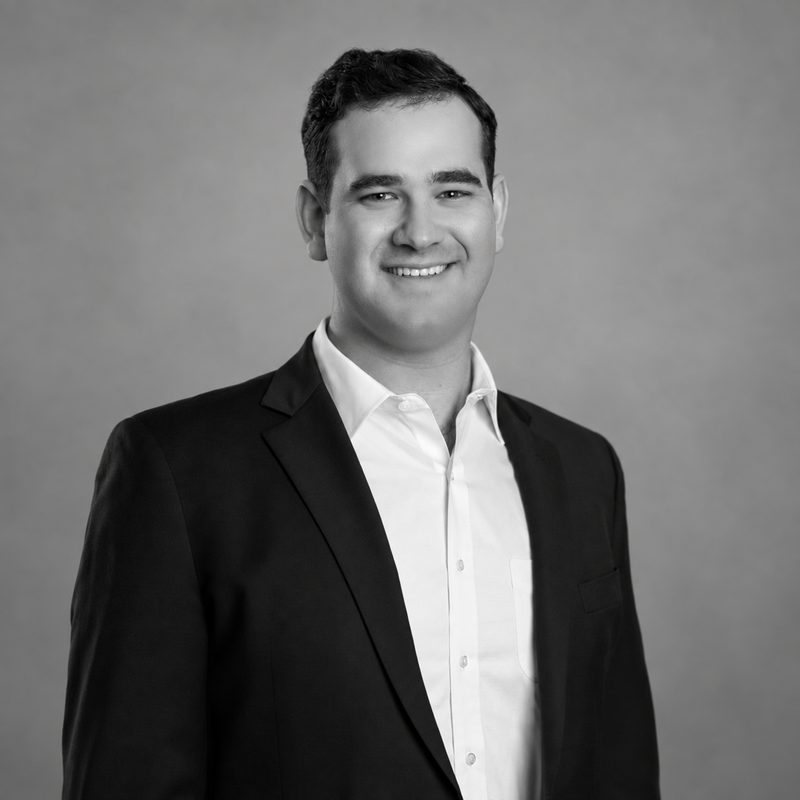
Zack invests in venture and growth-stage technology companies at Aquiline, where he works with founders across healthcare, insurance, and financial technology. He previously spent five years in growth equity at PSG, covering a portfolio of software and technology-enabled services businesses. He serves on the board of GAN Integrity and as a board observer at companies including Scripta Insights, Unqork, and InsurePay. At Upside, he brings a growth equity perspective to scaling and capital strategy.
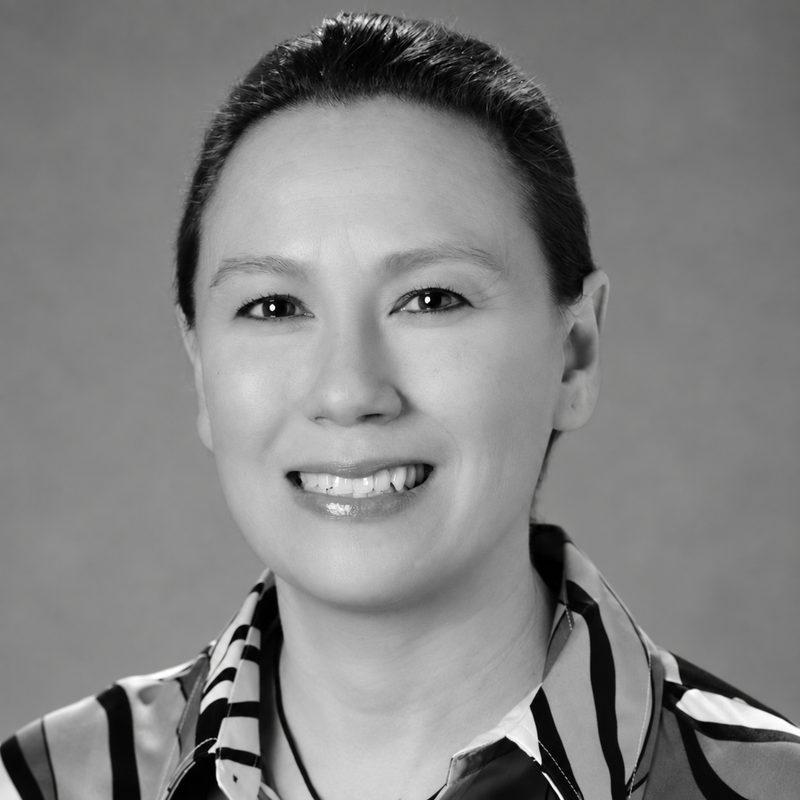
Liz led the Center for Medicare and Medicaid Innovation from 2021 to 2025, overseeing the federal portfolio of alternative payment and care delivery models — the work that determines how Medicare and Medicaid pay for care that works. Earlier she served as Chief Health Counsel to the Senate Finance Committee, where she helped draft the Affordable Care Act, and as Special Assistant to the President at the National Economic Council. Her career also spans the Commonwealth Fund and Johnson & Johnson, where she was Vice President of Global Health Policy. She holds a PhD in health policy from Johns Hopkins and a JD from the University of Minnesota Law School. At Upside, Liz brings a rare view of where payment policy is heading and what it will ask of plans.
Executive Advisory Board
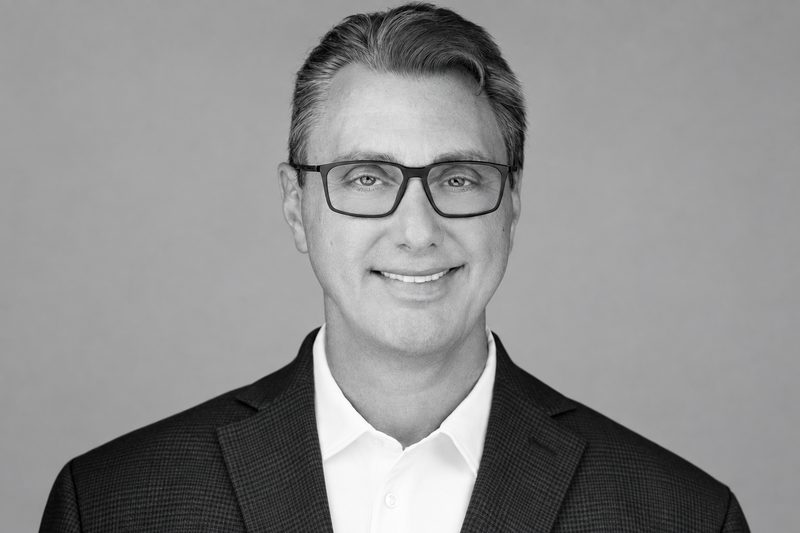
Chuck Hector
Advisor | Florida
Chuck has spent twenty-five years building revenue organizations for healthcare companies at the point where they scale. He served eight years as Chief Revenue Officer of MDLIVE, growing one of the first national telehealth platforms, then held the same role at Papa as it expanded companion care across Medicare and Medicaid plans, and co-founded Circadian Health. He joined Upside’s advisory board in 2023, became Chief Revenue Officer in 2025, and built the go-to-market organization that took the company into enterprise health plan distribution. He now advises Upside on growth and distribution strategy, and serves on advisory boards for several digital health companies. Housing stability, in his framing, is where healthcare’s hardest social driver finally becomes solvable.

Larry has spent four decades at the intersection of managed care, employer health, and digital innovation. He co-founded Chicago Pacific Founders, a healthcare services investment fund led by former operators, and served seven years as an Operating Partner at Kleiner Perkins. Earlier he led global health services at Accenture, ran sales and account management at Kaiser Foundation Health Plan, and built the managed care practice at Price Waterhouse. He also co-founded the Employer Health Innovation Roundtable, which brings together many of the largest and most progressive global employers to evaluate what they buy. At Upside, Larry connects employer market intelligence with venture-backed growth thinking.
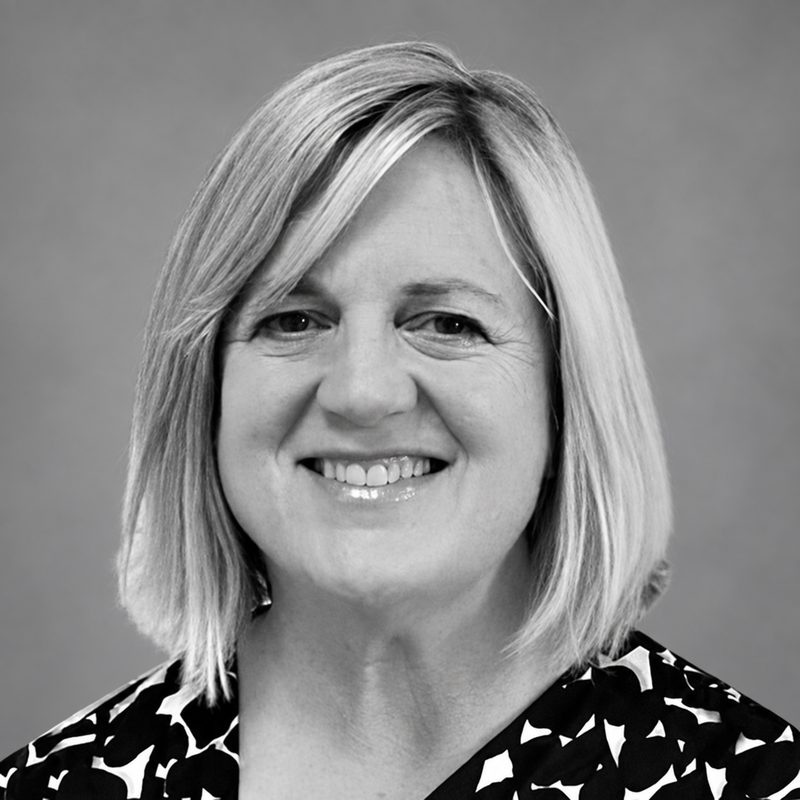
Barbara spent more than a decade running benefits strategy for The Walt Disney Company, overseeing a $2.5 billion budget and negotiating one of the largest direct, full-risk value-based care agreements in the country — proving that a major employer could contract straight with providers and improve quality while controlling cost. She founded Disney’s Strategy Lab, an internal innovation hub for healthcare delivery, and later moved to the delivery side as Head of Employer Strategy at Galileo. She is a Senior Advisor to Frazier Healthcare Partners, a founding member of the Employer Health Innovation Roundtable, and serves on the boards of the Duke-Margolis Center for Health Policy and QueensCare Health Centers. At Upside, Barbara shapes employer strategy and helps position housing stability as a core part of workforce health.

Michael led Altarum as Chief Executive Officer and President from 2021 to 2025, running a nonprofit that plans and operates public health and health care programs on behalf of federal, state, and local government. Before that he spent six years at Centene, where he held national product management responsibility for Medicaid and complex care lines covering more than 12.5 million members across 30 states, and served as Chief Executive Officer of Social Health Bridge Trust, the company’s social determinants of health initiative. He began in health care leading strategy and innovation at the Visiting Nurse Service of New York, and started his career at McKinsey & Company. A national leader in long-term services and supports, Michael founded the National MLTSS Health Plan Association and chaired it for four years. He holds a Master of Public Policy from the Harvard Kennedy School and a BA from the University of Pennsylvania. At Upside, Michael brings a deep understanding of dual eligibles and LTSS — the populations for whom housing most often decides the outcome.

Dan brings a payer-provider perspective built over thirty years in Medicare and commercial health. He ran Cigna’s Medicare business across Arizona and Nevada, then carried P&L and growth accountability for VillageMD’s western markets — a leader in physician-led, value-based primary care — before moving into growth leadership and strategic advising. His earlier work at BaseHealth focused on applying precision analytics to value-based contracting, and he founded a research and strategy firm centered on healthcare consumerism and population health. He now advises payers, providers, and health-focused investors as an independent strategist. At Upside, Dan advises on payer strategy and growth, grounding our positioning in how plans actually make decisions.
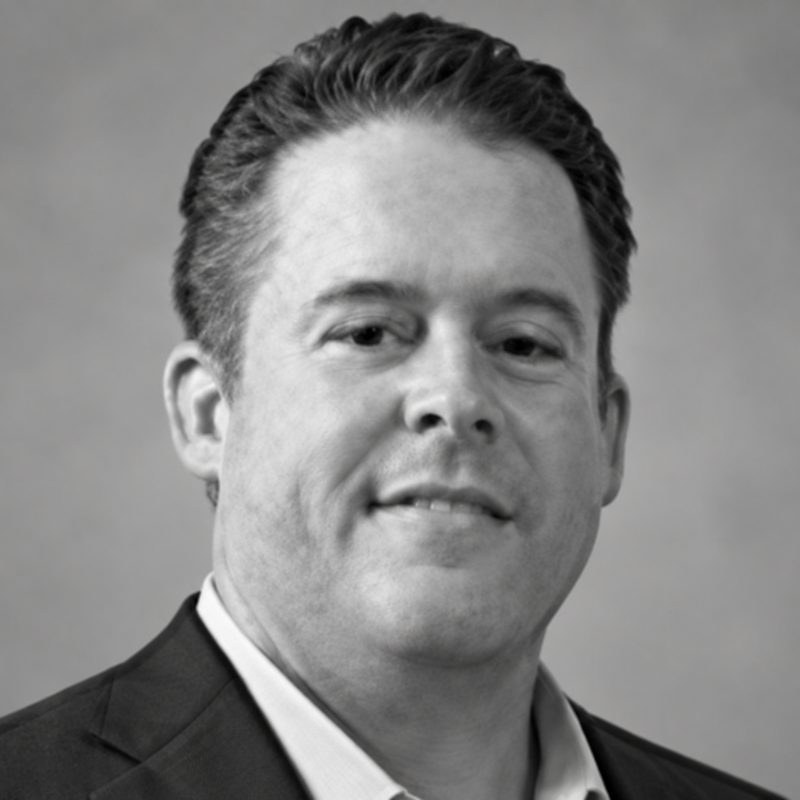
Jason spent nearly three decades leading healthcare and benefits strategy inside two of the largest employers in the country — eighteen years at AT&T and nine at Boeing — organizations that together cover hundreds of thousands of lives. He knows how a benefits decision actually gets made at that scale: who signs off, what the CFO asks, and what it takes for a vendor to survive a year in the stack. He later moved to the vendor side as SVP of Enterprise Growth and Partnerships at Vida Health, translating large employer needs into scalable digital products, and now serves as Chief Growth Officer at Livez and founding General Partner at MVP Growth Partners. At Upside, he advises on employer engagement, helping translate housing stability into the language of workforce ROI.
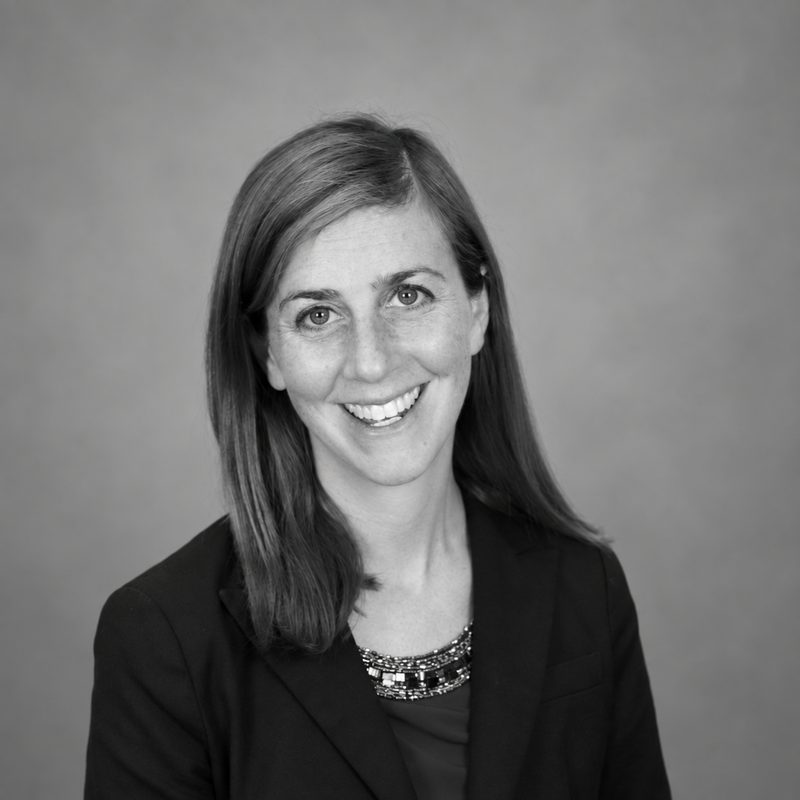
Dr. Kozlov is a licensed clinical psychologist and NIH-funded researcher whose work focuses on expanding access to evidence-based care for older adults and people living with serious illness. At Rutgers she directs the Population Aging Concentration and co-directs the Lab of Aging, Policy and Health, with research funded by the National Institute on Aging, the National Institute of Mental Health, and the New Jersey Health Foundation. Her expertise spans aging, caregiving, behavioral health, and technology-enabled interventions, including AI-based approaches to mental health care. She has advised Upside since 2021, bringing academic rigor to how the company designs and evaluates programs for aging populations across its Medicaid and Medicare lines of business.
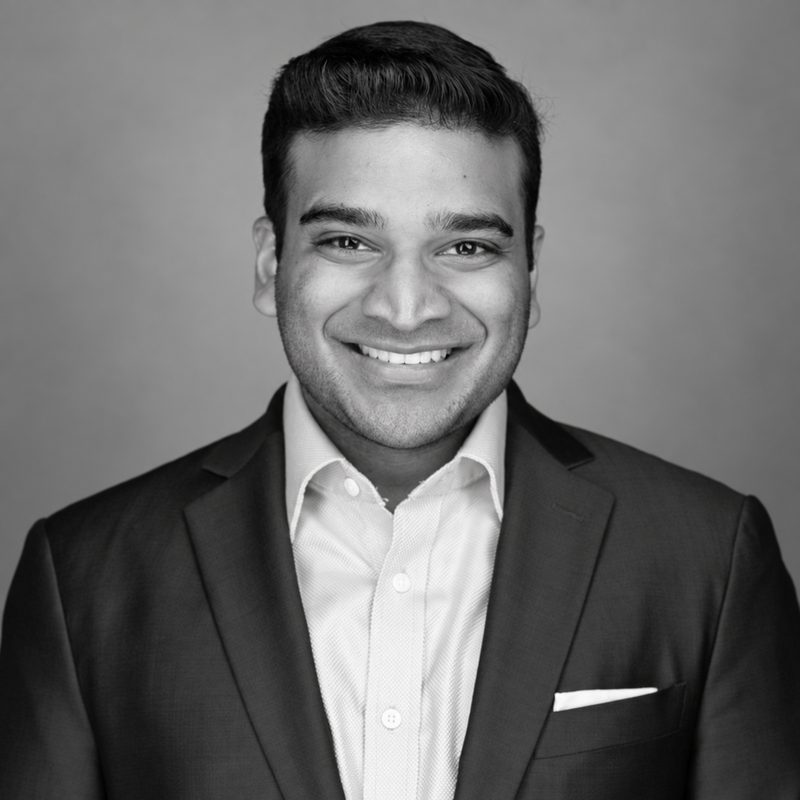
Rushil has spent more than fifteen years in government-sponsored managed care. As President and CEO of Aetna Better Health of Illinois, he led one of Aetna’s largest Medicaid plans, serving more than 400,000 members, and his leadership through the COVID-19 pandemic drew recognition from the White House and the Institute for Medicaid Innovation. Earlier he served as Chief Operating Officer at IlliniCare Health under Centene, giving him a view of how large MCOs operate across state lines. He now leads strategy and growth for state Medicaid programs nationwide at Gainwell Technologies, focused on modernizing how those programs run. At Upside, Rushil brings the MCO operator’s perspective — helping ensure our program design aligns with how Medicaid plans actually run.
Let's make housing part of care.
Whether you run a health plan or lead benefits for a workforce, a single setback can push the people you serve into crisis. An unsolved housing problem shows up later as an ER visit, a missed shift, or a lost home. Exploring a pilot or ready to scale, we'll build a plan that fits.
Schedule a call